
Natural Biological Logistics
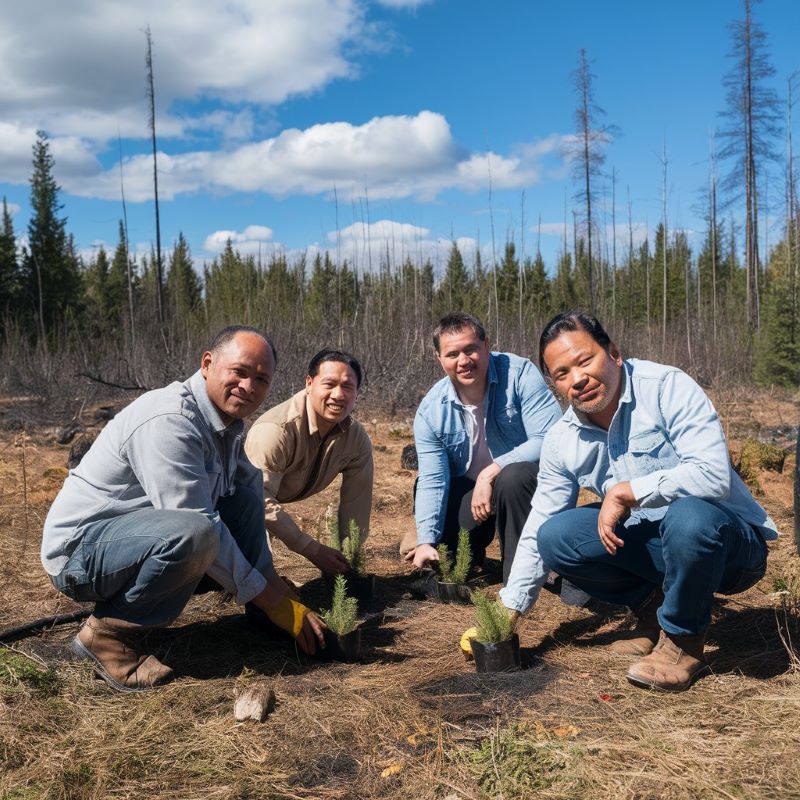
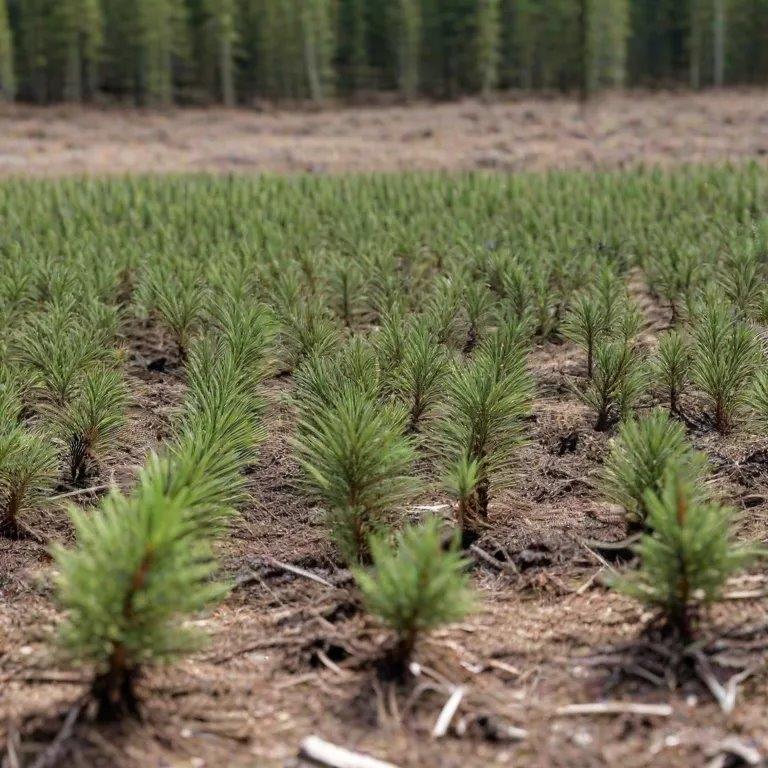
The traditional model of reforestation is often hindered by the logistical and biological stress of transporting seedlings from industrial greenhouses to remote sites. Enhanced Natural Regeneration (ENR) disrupts this cycle by establishing “nursery patches” directly within the landscape that needs healing. These on-site tree nurseries act as localized “gardens of conifers,” where young, resilient saplings are nurtured in their native environment. By keeping the entire regeneration process within the local ecosystem, we eliminate the need for fossil-fuel-intensive transport and ensure that every juvenile tree is perfectly acclimated to its home.
Cultivating Local Resilience
These on-site nurseries are not built with plastic or climate control; they are carefully managed sections of the existing forest. ENR workers plant conifer seeds and group them into concentrated “gardens.” This method allows the trees to develop strong, local root systems before they are moved to their final positions. Because these trees have never left the site, they don’t suffer from “transplant shock” common in nursery-raised stock. This decentralized approach creates a self-sustaining cycle of growth that significantly increases the survival rate of the forest’s next generation.
A Sustainable Growth Model
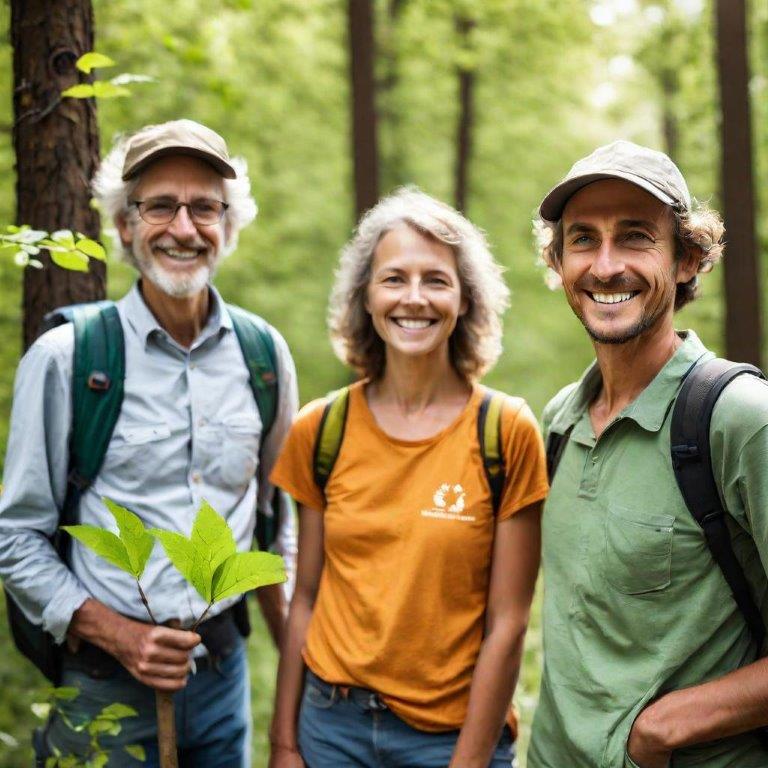
Ultimately, on-site nurseries represent a move toward ecological autonomy. By bypassing industrial infrastructure, ENR empowers local teams to become the primary architects of forest recovery. This strategy reduces costs, lowers carbon emissions, and produces hardier, more diverse forests. Investing in these localized “gardens” is an investment in the long-term health of our boreal regions, ensuring that the forest has the strength to regenerate itself from within for years to come.