
ENR and Indigenous Peoples
Indigenous stewardship has long recognized that the land possesses an inherent ability to heal when given the right conditions. Enhanced Natural Regeneration (ENR) reflects this ancient wisdom by prioritizing local resilience over industrial intervention. Conceived by an Anishinaabe man, this method moves beyond traditional forestry by treating the forest as a living partner rather than a crop. By integrating traditional ecological knowledge with modern conservation needs, ENR offers a culturally grounded pathway to restoring Boreal landscapes and protecting vulnerable communities.
The Heart of Ecological Sovereignty
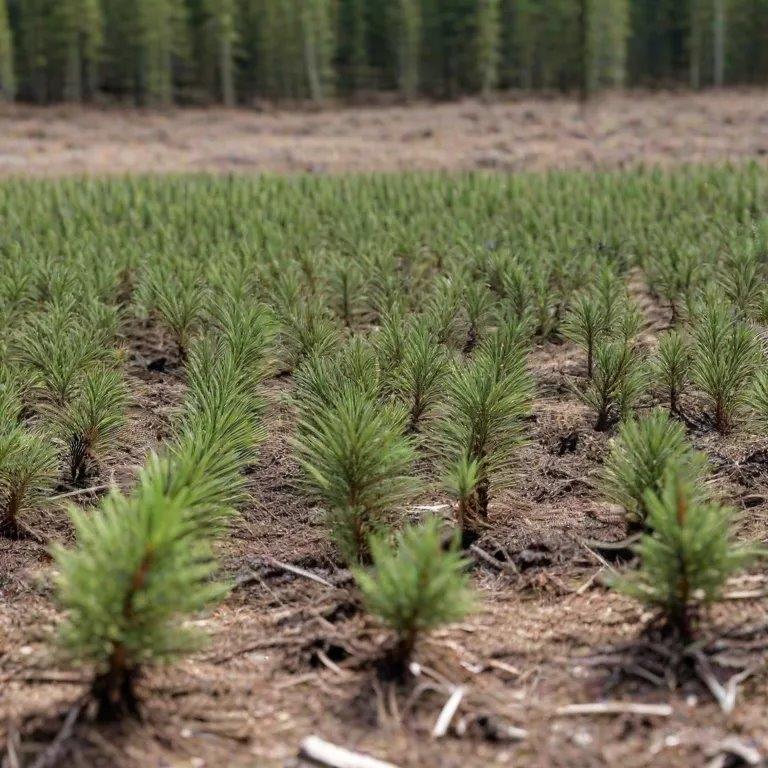
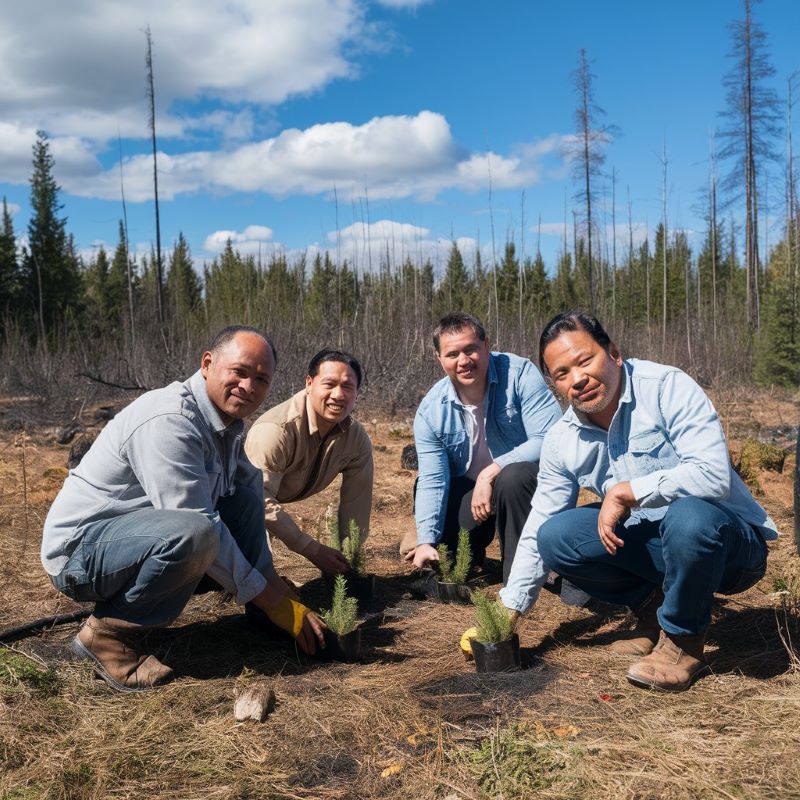
At the core of ENR is a profound respect for “wild” genetics and local adaptation. Unlike conventional reforestation that relies on distant, greenhouse-raised seedlings, ENR utilizes hardy saplings already thriving in their native soil. This practice aligns perfectly with Indigenous values of reciprocity and minimal footprint. By creating “gardens of conifers”. These young trees are then transplanted into open spaces, such as areas recently logged or cleared by wildfire. In addition, by strategically transplanting conifers and trembling aspen to form natural firebreaks makes for an efficient and safer reforestation. This method reduces wildfire risks while honoring the natural succession of the Boreal forest. It empowers local workers to act as guardians of their own territory, ensuring that restoration efforts are both economically sustainable and biologically authentic.
A Future Rooted in Tradition
Ultimately, ENR is more than a technical silviculture tool; it is a testament to Indigenous innovation. By focusing on local saplings and community-led labor, it creates a circular system of care that benefits both the environment and the people who call it home. As we face increasing climate instability, looking toward Indigenous-led solutions like ENR provides a practical, respectful, and effective roadmap for healing the earth for the next generations.