
The Art of Tree Transplanting
While modern forestry often emphasizes high-tech solutions, the practice of moving a living tree from one location to another is a technique as old as land stewardship itself. Tree transplanting has been a cornerstone of successful gardening and landscape management for centuries, rooted in the simple observation that some saplings thrive better when relocated to more favorable ground. Within the framework of Enhanced Natural Regeneration (ENR), this ancient skill is revitalized to address modern ecological crises. By looking back at what has always worked, we find a sustainable path forward for our forests.
Modern Resilience Through Ancient Methods
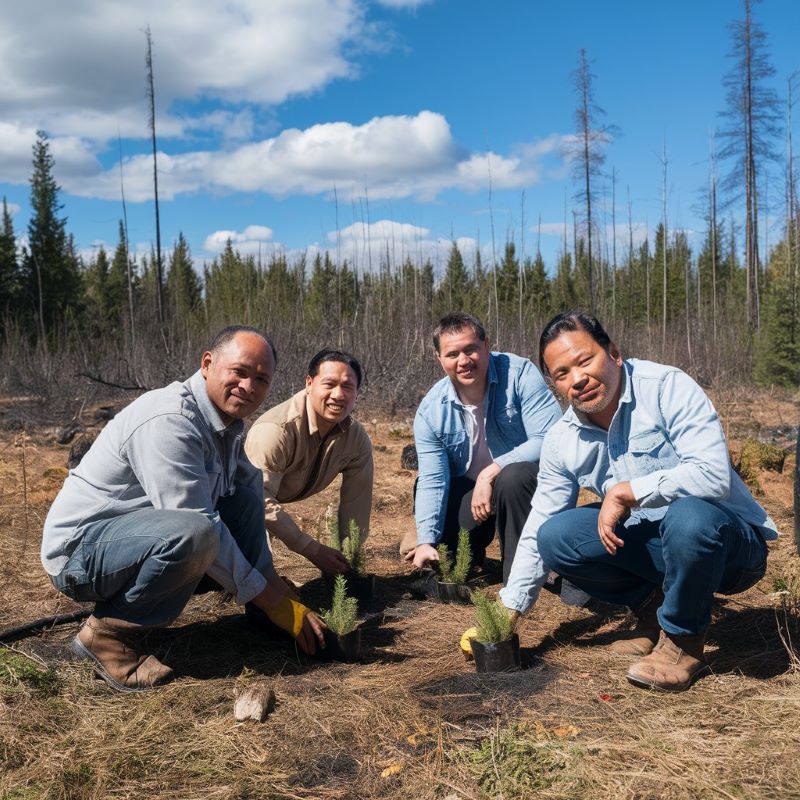
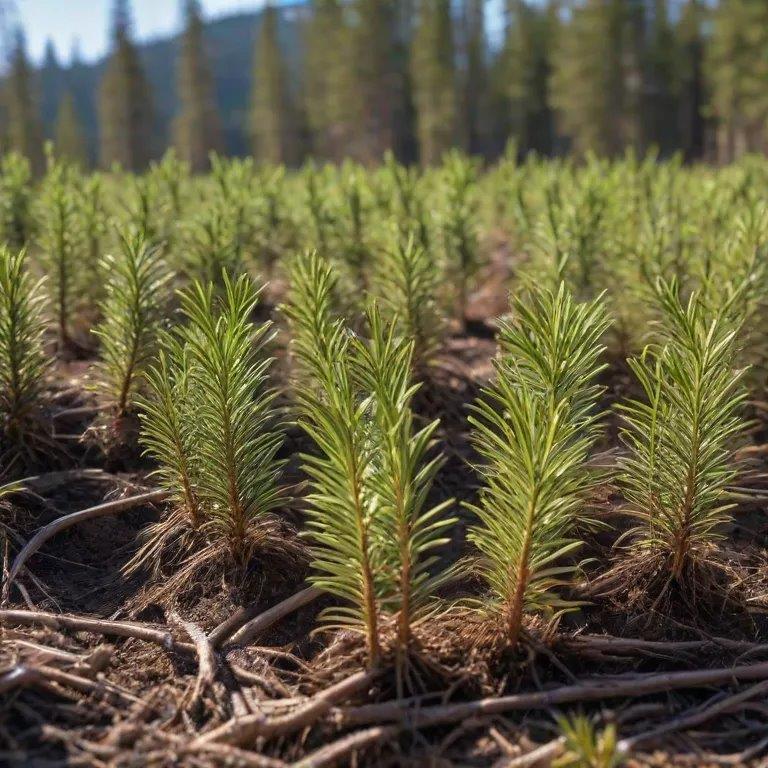
In the context of the boreal forest, transplanting is not about forcing growth, but about strategically “repairing” gaps in the landscape. ENR workers identify hardy “wild” saplings—often found clustered along roadsides or in over-dense stands—and carefully move them to open, disturbed areas like recent burn sites. Unlike greenhouse-raised seedlings that may struggle with the shock of a new environment, these transplanted trees are already acclimated to the local soil, climate, and microbial networks. This proven method ensures a higher survival rate and a more robust root system, bypassing the vulnerabilities often associated with industrial, nursery-grown stock.
A Proven Path to Recovery
Ultimately, tree transplanting represents a shift from “planting a forest” to “helping a forest grow.” By utilizing the natural abundance already present on-site, ENR minimizes waste and maximizes biological compatibility. This time-tested approach proves that sometimes the best innovations are those that respect and refine traditional practices. Moving trees is a simple, effective, and deeply intuitive way to ensure our forests remain vibrant and resilient for the next generation.